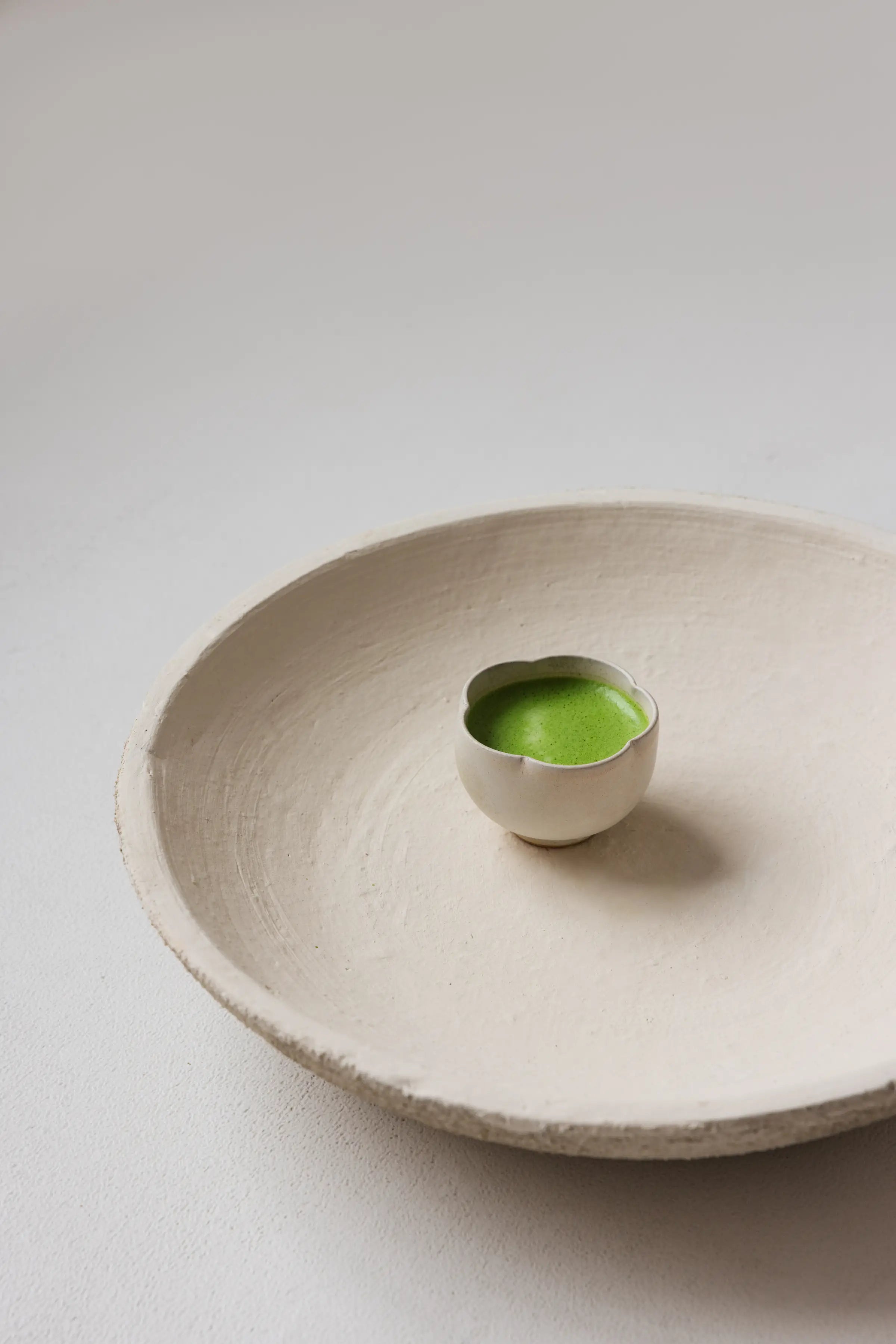
Matcha vs. green tea – key differences in taste and effects
Although both originate from the same plant – Camellia sinensis – they hold completely different places in tradition and in the cup. If you're wondering why the same plant can taste so different and affect your well-being in various ways, this text is for you. Learn the differences between matcha and traditional loose leaf green tea.
Table of Contents
-
One Plant, Two Different Worlds – Where Do the Differences Come From?
-
A Flavor Showdown: Plant-Based Umami Sweetness vs. Slight Astringency
One Plant, Two Different Worlds – Where Do the Differences Come From?
Both traditional loose leaf green tea (such as Sencha) and Japanese matcha come from precisely the same tea bush. Genetically, they are the same plants. However, the moment their paths diverge occurs long before they reach your favorite bowl or cup.
It all comes down to the philosophy of production and the approach to craftsmanship. Classic green tea grows in full sunlight. Its leaves are harvested, dried, sometimes rolled, and their sole purpose is to release their aroma into water during the brewing process.
Matcha is a completely different story. It's an essence hidden in the shade, protected from sunlight, and finally ground into a powder so fine that its texture resembles luxurious cosmetic powder. It is this distinct journey from plantation to finished product that makes us talk about two completely different beverages in terms of taste, color, and properties.
Matcha vs. Green Tea – The Importance of Shade
The most important, fundamental difference, which determines everything that happens later in taste and effect, is the process of shading the plantation. Tea bushes intended for traditional loose leaf green tea bathe in the sun throughout their entire growth cycle. Sunlight stimulates the synthesis of catechins in the leaves – powerful antioxidants responsible for the characteristic, refreshing, and slightly astringent note of a classic infusion. It is the sun that gives it this profile.
With matcha, the situation is completely different. Approximately 3 to 5 weeks before harvesting, plantations dedicated to the highest quality matcha are covered with special structures. This blocks up to 80-90% of sunlight. The plant, in order to survive in the shade, begins to rapidly produce large amounts of chlorophyll. This is why the leaves become emerald, vibrantly green.
Crucially, the level of L-theanine drastically increases in the shade – a valuable amino acid responsible for the deep, sweet taste and specific relaxing effect. In the sun, L-theanine would transform into bitter tannins. In the shade, it remains locked in the leaf, creating matcha's unique biochemical profile. It is thanks to its L-theanine content that Japanese matcha releases energy gradually, not abruptly, like coffee, for example.
Infusion vs. Whole Leaf – A Revolution in Preparation
Another difference lies in the mechanics of what actually enters our body. When you prepare classic green tea, you pour water at about 70-80 degrees over the leaves, wait a few minutes, and then separate the dried leaves from the ready liquid. The leaves end up in the trash. You only drink the water extract. Many valuable nutrients that are not water-soluble are permanently discarded.
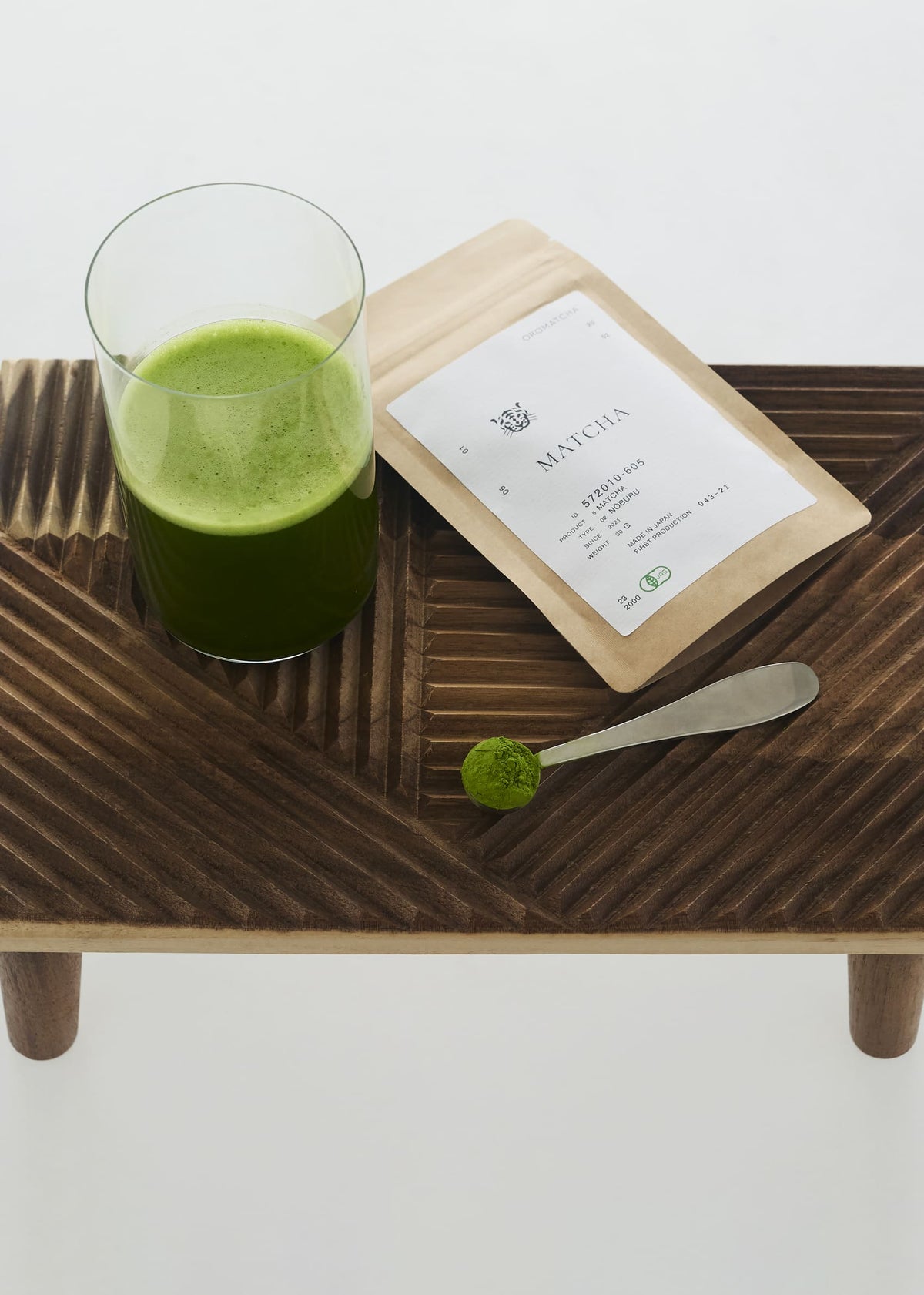
In the case of matcha, there is no question of wasting nature's potential. Here, we drink the entire leaf. After harvesting the shaded leaves, tough veins and stems are removed, leaving only the most delicate pulp. It is then slowly ground in traditional, granite grinders into an perfectly smooth powder.
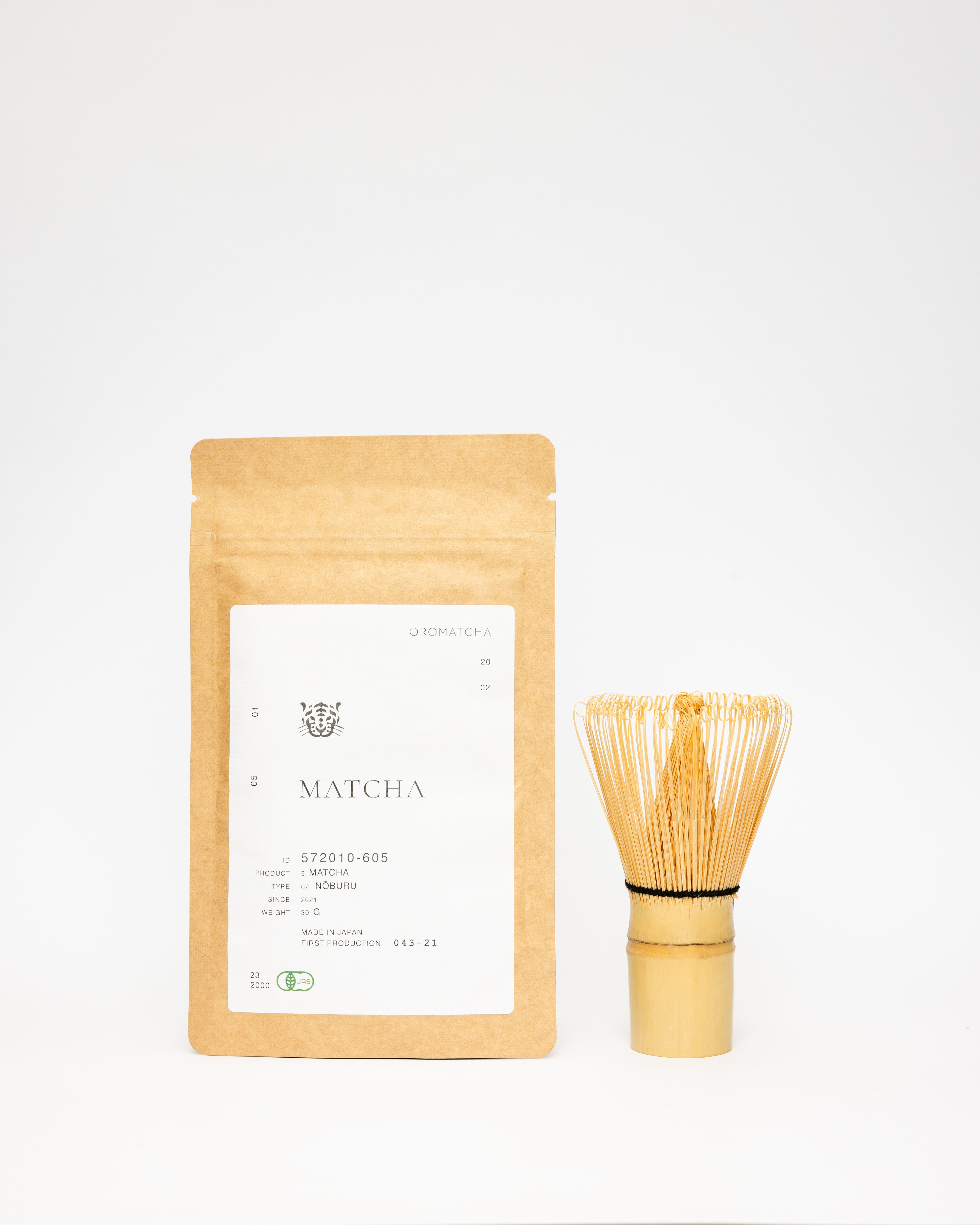
When you prepare matcha in your bowl, you use a bamboo whisk (chasen) to combine this powder with water, creating a velvety suspension. You don't separate anything here. You consume 100% of the tea leaf, which means that one bowl of matcha can correspond to even several cups of regular green tea infusion in terms of nutritional value. If you are just putting together matcha accessories, check out the matcha sets category for easy selection.
A Flavor Showdown: Plant-Based Umami Sweetness vs. Slight Astringency
Differences in cultivation and preparation directly translate into sensory experiences. Traditional green tea is often herbal, floral, or grassy in taste. Depending on the variety, it can have a distinct, pleasant bitterness that refreshes the palate. It is a clear drink, classically thirst-quenching, ideal for leisurely sipping throughout the day.
Good Japanese matcha, on the other hand, is a festival of richness and creaminess. Its taste is deep, velvety, with a distinctly perceptible plant sweetness that naturally balances a delicate bitterness. Above all, however, umami dominates in it – the so-called fifth taste, associated with fullness, essentiality, and a deep character. High-quality matcha, prepared at the right temperature (never boiling water), has no aggressive astringency. It is soft, comforting, and its aftertaste lingers on the palate long after drinking.
What's more, thanks to its powdered form, matcha blends well with milk and plant-based drinks, creating matcha lattes. Regular green tea with milk rarely tastes so harmonious.
How Do Matcha and Green Tea Work?
For many, the key reason for reaching for these beverages is their properties and their impact on daily well-being. Although both infusions are exceptionally beneficial for health, their energy profiles differ. Classic green tea contains a moderate amount of caffeine. It has a gently refreshing effect, aids digestion, and provides a solid dose of antioxidants. Its effect is subtle – one rarely experiences a sudden burst of energy, but rather a gentle, natural invigoration and hydration of the body.
Matcha tea is a true superpower in the world of plants. Because we consume the entire leaf, we provide the body with a significantly higher dose of caffeine – comparable to a cup of espresso. So why doesn't matcha cause a sudden energy crash, so characteristic of coffee? The answer lies in the aforementioned L-theanine, which matcha has in abundance thanks to weeks of cultivation in the shade.
L-theanine and caffeine form a synergistic duo in matcha. This amino acid slows down the absorption of caffeine into the bloodstream. As a result, matcha provides long-lasting, stable, and clean energy that lasts for 4 to 6 hours. On one hand, you feel concentration, clarity of thought, and readiness for action; on the other, a deep inner calm, an absence of anxiety or nervousness. Additionally, the antioxidant level in matcha is unparalleled, making it one of the most powerful natural elixirs of youth.
What to Choose for Everyday Use? Summary
Both matcha and traditional green tea deserve an important place in your daily life. You don't have to give anything up – it all depends on what you need at a given moment and how you want to spend your time. Choose classic loose leaf green tea when you're looking for a light, clear drink to sip throughout the day or to aid digestion after a meal.
Good ceremonial-grade matcha is useful when you need deep concentration for work or study, want to replace coffee with a healthier alternative that doesn't cause irritability, or simply wish to turn an ordinary break into a beautiful, celebrated moment.