

Matcha latte - how to prepare it at home?
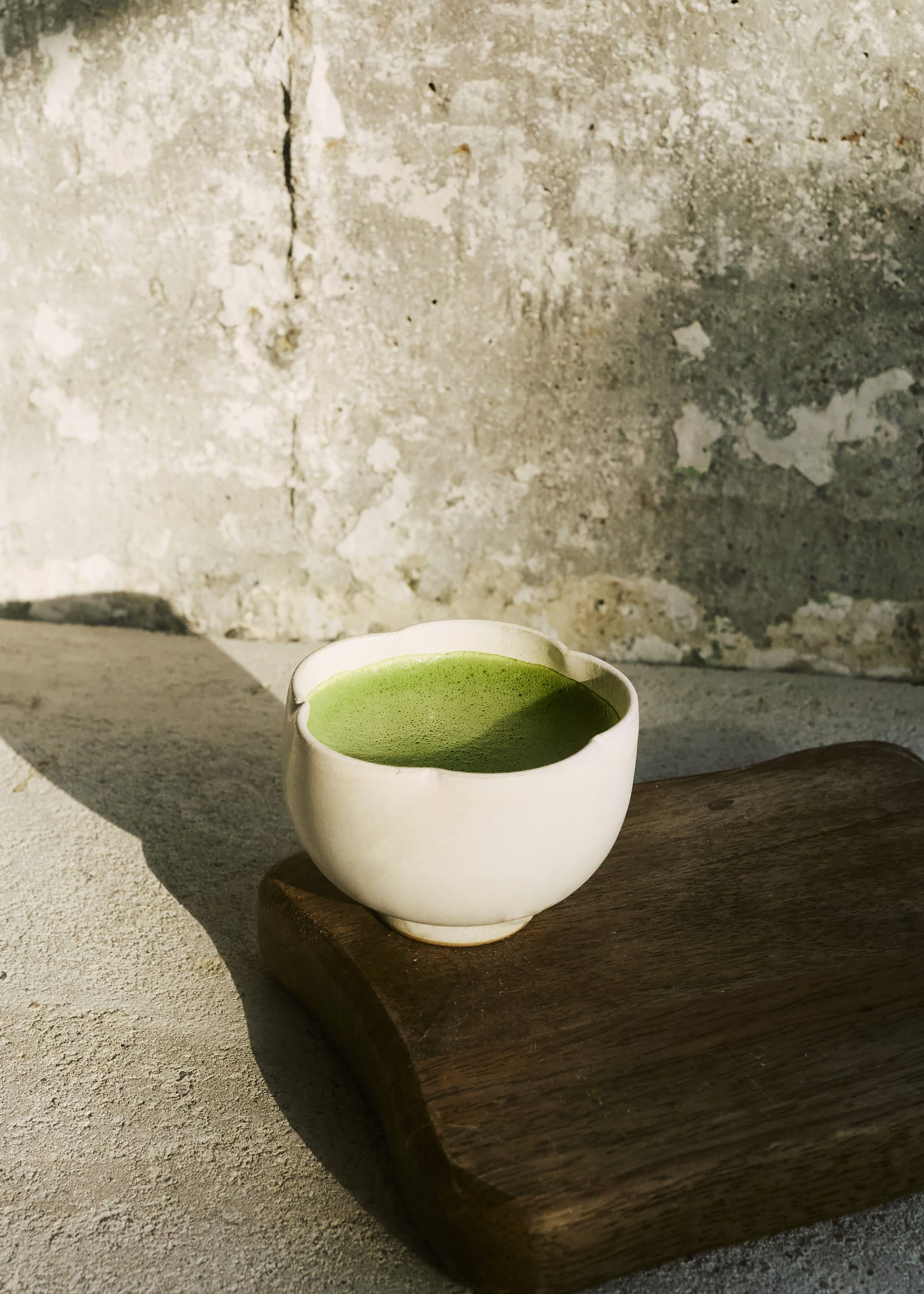
There's something incredibly soothing about a matcha latte. It's soft, creamy, and delicate in flavour. The combination of matcha's deep green with milk or a plant-based drink creates a good, peaceful morning. A matcha latte is also perfect for a work break or a quiet afternoon moment. How to make a matcha latte at home? We'll tell you.
Table of contents:
- Matcha latte – where to start?
- Matcha latte – why water first, then milk?
- Matcha latte tea as a coffee alternative
- Matcha latte at home cold or a visit to a cafe?
- Matcha latte recipe – summary
Matcha latte – where to start?
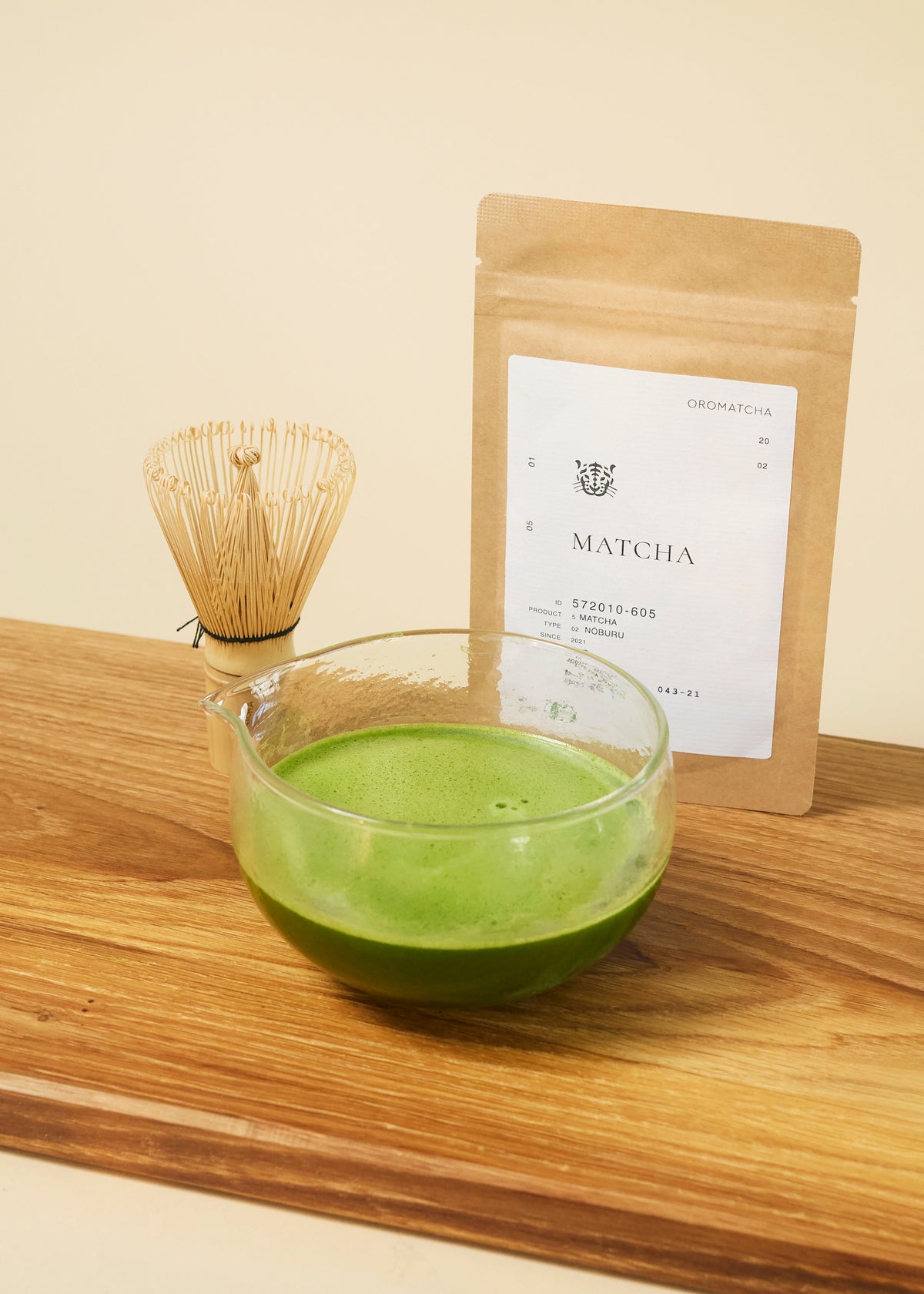
Approach it calmly and without haste. Put about 3 grams of matcha into a bowl. It's good to sift the powder through a small sieve – this simple step loosens the matcha and helps avoid clumps. This makes the drink smooth, light, and pleasant from the first sip.
Next, add a small amount of water – about 60–80 ml. The water should not be boiling, as too high a temperature can bring out bitterness. Whisk the matcha with a chasen (bamboo whisk) using quick wrist movements. You can also use a frother if you value simplicity. The most important thing is for the powder to combine with the water into a uniform, green base. Only then should you add milk.
Matcha latte – why water first, then milk?
Matcha latte at home is made by combining water and milk. The powder should not go directly into a large amount of milk, as it's harder to dissolve – clumps form, and the drink loses its lightness. The green base should be smooth and intense. Only then should it be poured into a cup with warm milk or a plant-based drink.
Which drink to choose? Oat milk gives natural sweetness and creaminess. Almond milk is lighter. Coconut milk adds a delicate, dessert-like tone. The choice is yours. Matcha should lead the flavour – milk should be the background.
Matcha latte tea as a coffee alternative
Matcha latte can be a good choice for those looking for a calmer alternative to coffee. Matcha contains natural caffeine, but its effect is milder and more even. That's why matcha latte is well-suited for work, study, and mornings that are best started without tension. You can also drink it in the afternoons – which is not recommended for coffee.
The preparation moment itself is also important. Sifting the powder, adding water, a few quick whisk movements. This process focuses the mind. Even if it only lasts a minute, it signals that the day doesn't have to start in a rush. The ritual of preparing matcha is a small gesture of self-care. Traditional matcha sets can further help you pause and celebrate the moment.
Matcha latte at home cold or a visit to a cafe?
If you prefer a cold version, put ice in a glass, pour in milk, and finally add the previously mixed matcha with water. This creates a layered drink that looks great and tastes even better. You don't need to add sugar – high-quality Japanese matcha has its own subtle sweetness. You can try adding a touch of honey, maple syrup, or vanilla if you want a more dessert-like drink.
Just starting your matcha adventure? It's a good idea to visit a specialty cafe where a barista can prepare matcha latte with different types of milk and in various proportions. This is a simple way to find out whether you prefer a creamy and mild drink or an intensely green one, closer to traditional matcha with water.
Matcha latte recipe – summary
Sometimes a warm matcha latte in the morning will be best. Sometimes a cold one, with ice, on a bright afternoon. Other times, the simplest version with water, without milk or additives, will be perfect. Matcha prepared with water alone reveals the most. Vegetal freshness, natural sweetness and umami, and gradually released energy. However, if you are more interested in matcha latte, remember to start by preparing the powder with water, and only then add the milk.
Read more
Starting with matcha can be enjoyable or difficult. A lot depends on its selection. Not on the ceremony, accessories, or even preparation skills. What makes the biggest difference is the quality of...

Discover the secrets of shading matcha in Japan – from tradition in Kyoto to modernity in Nishio. Learn how light affects the taste, color, and quality of matcha.