


Matcha Shading: Differences Between Kyoto, Nishio, and Kagoshima
Shading matcha – differences between Kyoto, Nishio and Kagoshima
Matcha owes its unique taste, color, and health benefits not only to the variety of leaves, but also to one of the most distinctive cultivation methods – shading. It is in the final weeks before harvest that tea bushes are deliberately deprived of sunlight, which changes their physiology. But is all matcha shaded in the same way? No. In Japan, different techniques are used – especially in regions such as Kyoto, Nishio, and Kagoshima.
Direct shading – a tradition from Kyoto
In the Kyoto region, especially in Uji – considered the birthplace of Japanese tea – the traditional shading method called "Tana" is still used. It involves directly covering the bushes with layers of mats made from bamboo and rice straw. The mats are placed right above the leaves, often even touching the plants, which leads to very effective blocking of UV rays.
Direct contact with the matting material results in limited ventilation, but effectively increases chlorophyll and L-theanine levels, which translates into a deep, sweet matcha flavor and an intensely green powder color.
Indirect shading – efficiency from Nishio and Kagoshima
In regions such as Nishio and Kagoshima, a more modern indirect shading method dominates, involving stretching special mats (usually black synthetic netting) on frames placed about 30–50 cm above the bushes. This creates a space between the mat and the plant, allowing for better airflow and greater control over humidity.
This method of shading – often called "Kanreisha" – allows for a more mechanized approach, is easier to maintain, and provides high yield repeatability. Although the impact on L-theanine is less than with the direct method, it still allows for high quality leaves, especially with appropriate shading duration (usually 2–3 weeks).
Which method produces better matcha?
Both techniques have their advantages – and both can produce ceremonial grade matcha. Traditional shading from Kyoto is more labor-intensive and produces tea with a more intense umami flavor. In turn, the methods used in Nishio and Kagoshima allow for a larger scale of production and stability, while maintaining very high quality.
For many matcha connoisseurs, balance is key – taste, aroma, color, and health benefits. And these depend not only on shading, but also on the bush variety, soil, harvest time, and the method of grinding the leaves.
Summary: the shade that creates flavor
Regardless of whether you choose matcha from Kyoto, Nishio, or Kagoshima, shading is an art that gives tea its character. It is the control of light, not its presence, that determines how deep the flavor will be and how rich the umami notes will be. It is worth remembering this when choosing your daily matcha – especially if you care about an authentic Japanese tea experience.
Read more
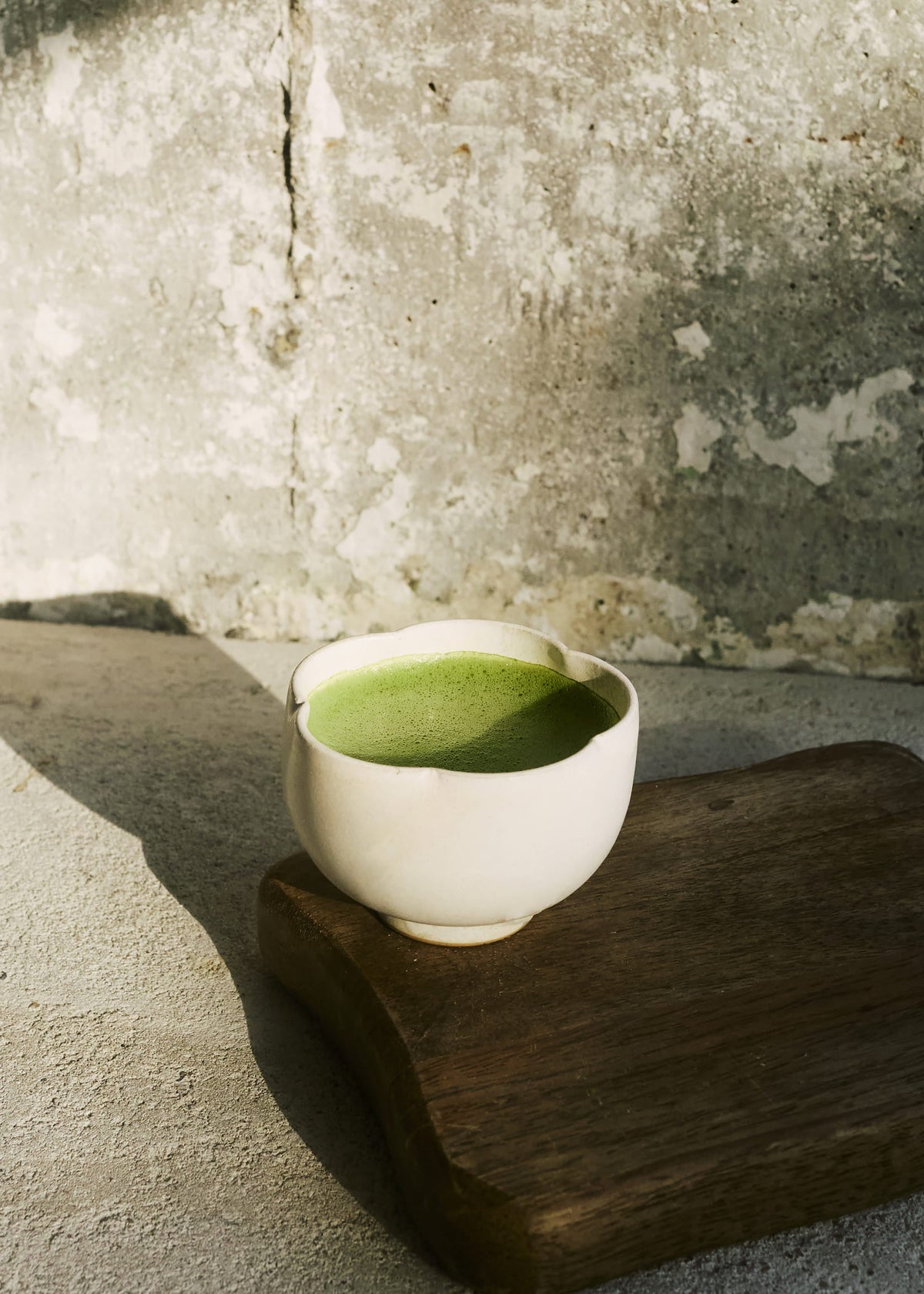
There's something soothing about a matcha latte. It's soft, creamy, and delicate in taste. The combination of deep green matcha with milk or plant-based drink creates a good, peaceful morning. Matc...

In the world of high-quality matcha, grinding technology is of fundamental importance – and at the very top of this tradition stand Mikage stones, hand-carved grinding stones made of granite from t...