

Why is matcha expensive? What factors influence the price of good matcha?
It catches the eye in photos. It promises peace, focus, and pure energy. However, when you decide to buy your first can, you ask why matcha is so expensive. Do you know this feeling? If so, read the article below to understand what determines the price, which for some people is a barrier to purchase.
Table of Contents:
Geography and climate – where real matcha is born
Real matcha comes exclusively from Japan. This is the fundamental rule from which the discussion about price begins. Although tea bushes grow in many places around the world, Japanese craftsmanship is unmatched. The specific climate, soil composition, clean air, and proximity to mountain rivers are all significant. Regions such as Uji in Kyoto Prefecture and Nishio in Aichi Prefecture have for centuries been famous for ideal conditions for cultivating varieties intended for matcha. Land in these areas is limited. Japanese plantations do not resemble the gigantic, industrial fields known from other Asian countries. These are often small, family gardens, located on terraces and hills.
The art of shade affects the price of matcha
Before tea leaves are harvested, they undergo shading. Sunlight is gradually cut off, up to almost ninety percent. For the plant, this is a situation where it produces enormous amounts of chlorophyll. This is why the leaves take on such a deep, almost emerald color. More importantly, in the shade, the plant accumulates amino acids, including precious L-theanine. Under normal conditions, amino acids would convert into bitter catechins under the influence of the sun. In the shade, this process is stopped.
Harvests where machines lose to human hands
When spring arrives, it's time for the crucial moment of the year – the first harvest, known in Japan as Shincha. For ceremonial quality, there is only one method of harvesting leaves: by hand. Machines, though efficient, are blind. They cut everything in their path: young shoots, old, tough leaves, and twigs. Only the two youngest, most delicate leaves from the very top of the bush are suitable for good Japanese matcha. Experienced pickers work with extreme precision. They can assess in a fraction of a second which leaf meets the strict criteria. Such work requires delicacy to avoid damaging the sensitive plant.
Granite mills and matcha production
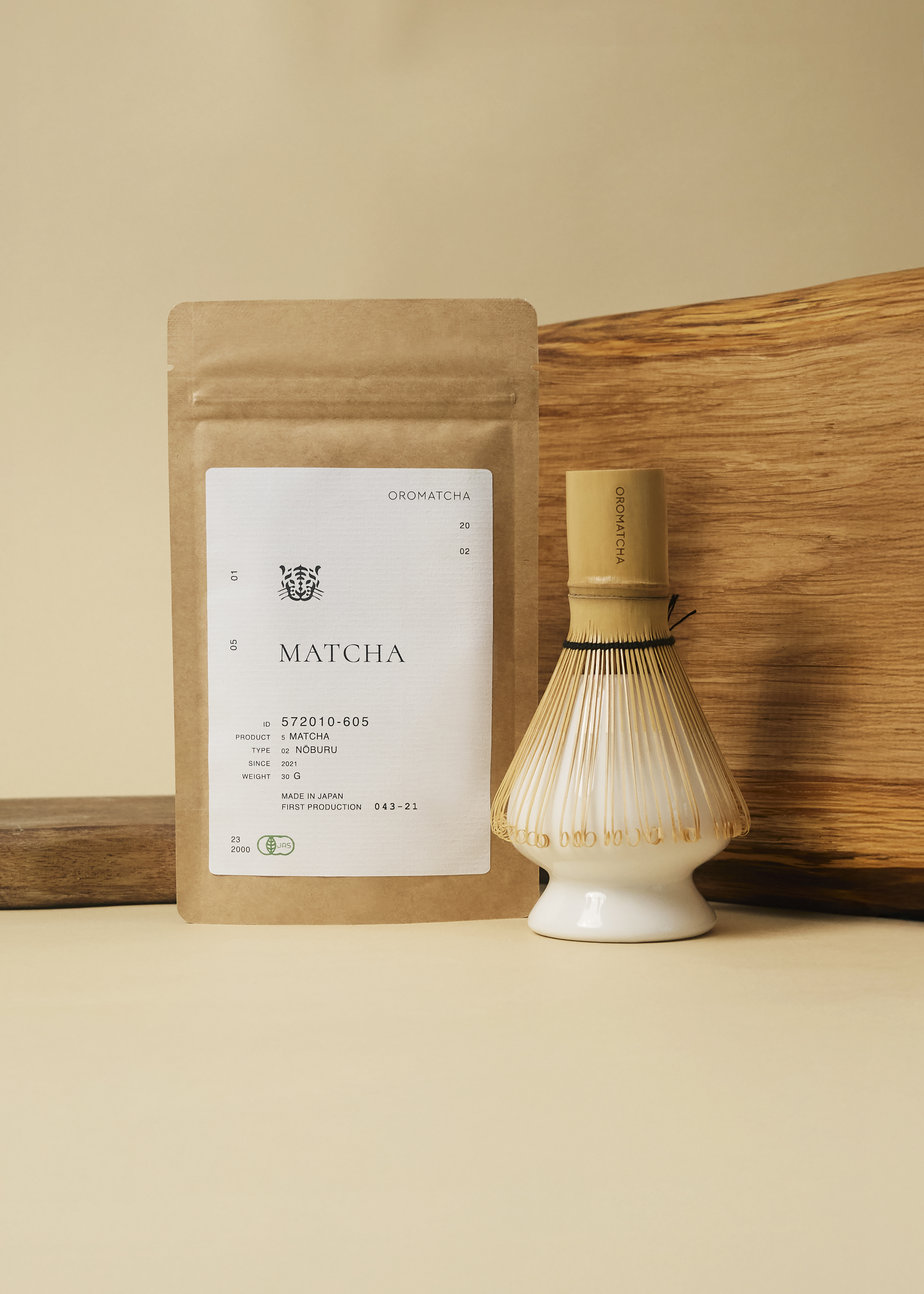
The final stage is the transformation of tencha into fine powder. Tradition meets physics here. The best matcha is ground using specially carved, granite mills. It's a process that teaches humility. The mills must turn extremely slowly. If the movement were too fast, the stone would heat up, and the high temperature would burn the delicate dried tea. Burnt matcha loses its intense color and gains an unpleasant, bitter taste. The maintenance of the granite, maintaining the appropriate temperature and humidity in the rooms, is a significant fixed cost that directly affects the final value of the product.
Grades of matcha. Why is the ceremonial version different from the culinary?
You will find various designations on the market. The most popular division is ceremonial grade and culinary grade. The price difference between them can be several times over. This results directly from the production stages described earlier.
-
Ceremonial grade matcha is made exclusively from the first spring harvest. The leaves were shaded for a long time, and only the soft flesh without veins was selected for grinding. Grinding takes place on granite mills. Such matcha has an electrifying, green color. It smells fresh, and its taste is dominated by sweetness and deep umami. It is traditionally drunk mixed with water.
-
Culinary grade matcha comes from later harvests – second or third. The leaves had more contact with the sun, so they contain more bitterness. The stem selection process is not as rigorous, and grinding is done faster, often using jet mills. Its color is more subdued, olive or yellowish. The taste is stronger, more tart. It works perfectly as an addition to baked goods, smoothies, or matcha lattes, where its bitterness cuts through the sweetness of the milk.
Storing matcha to preserve its quality
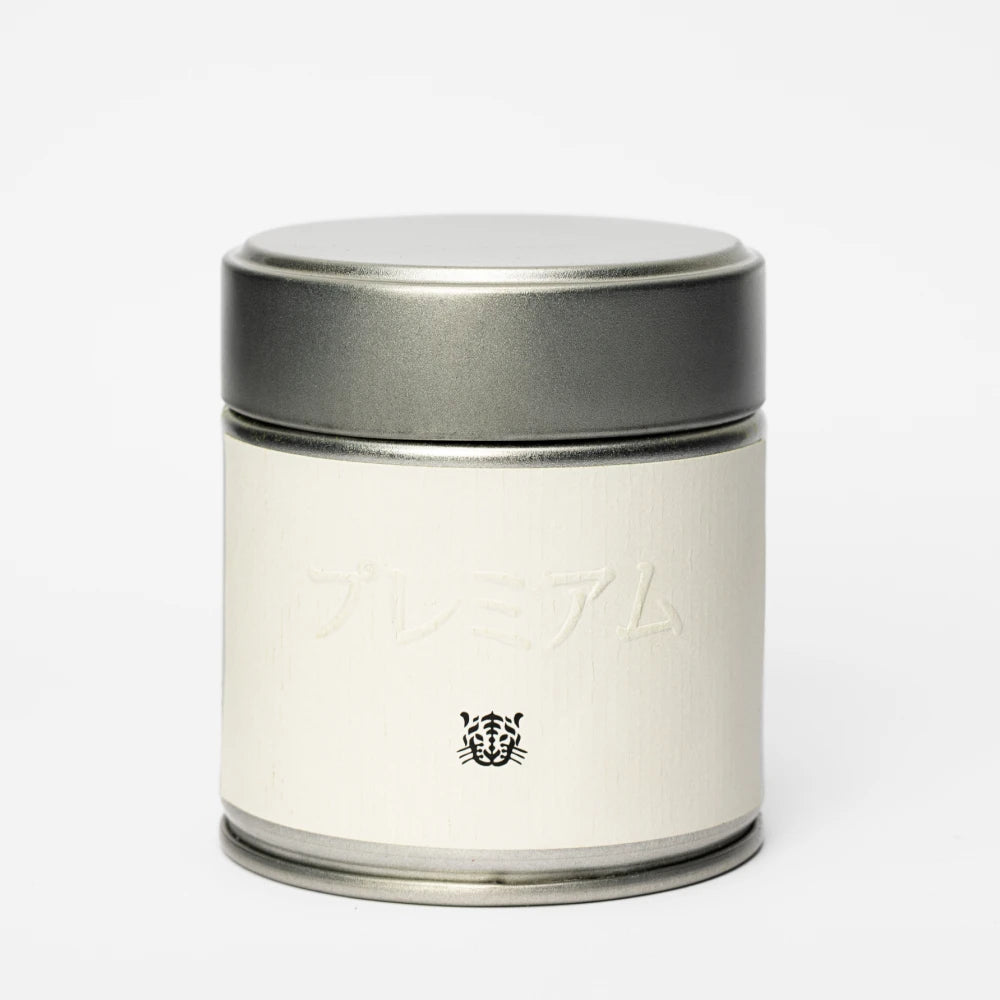
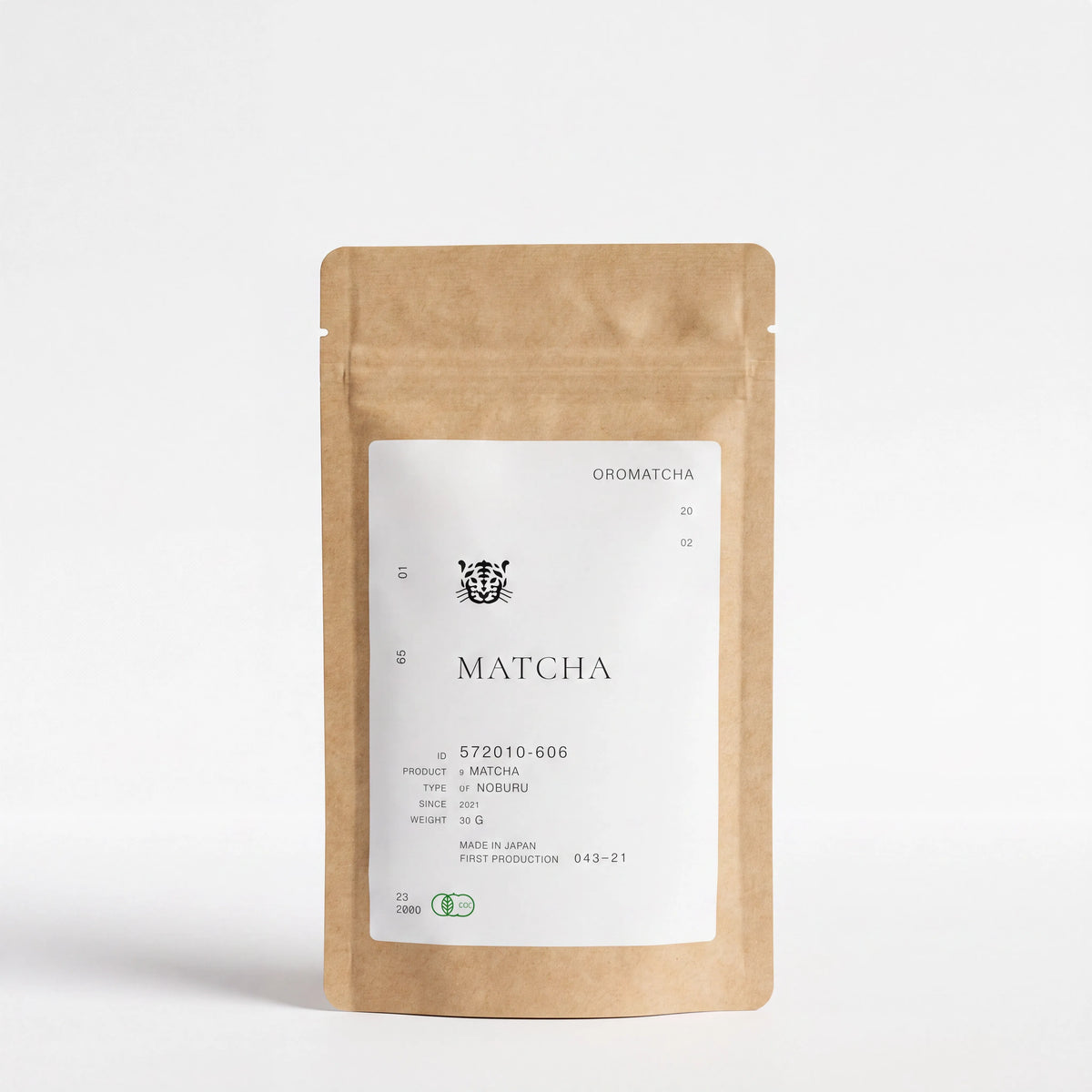
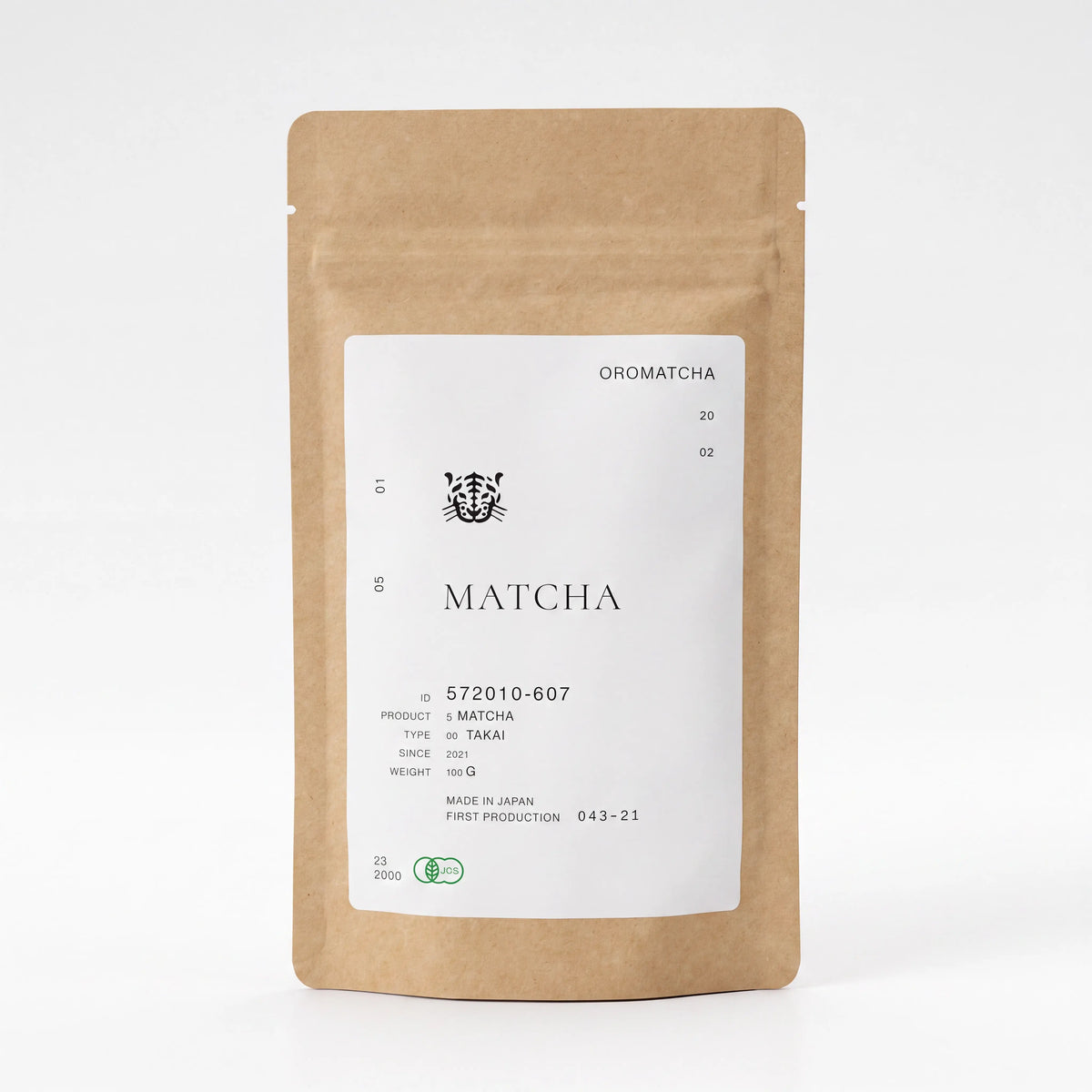
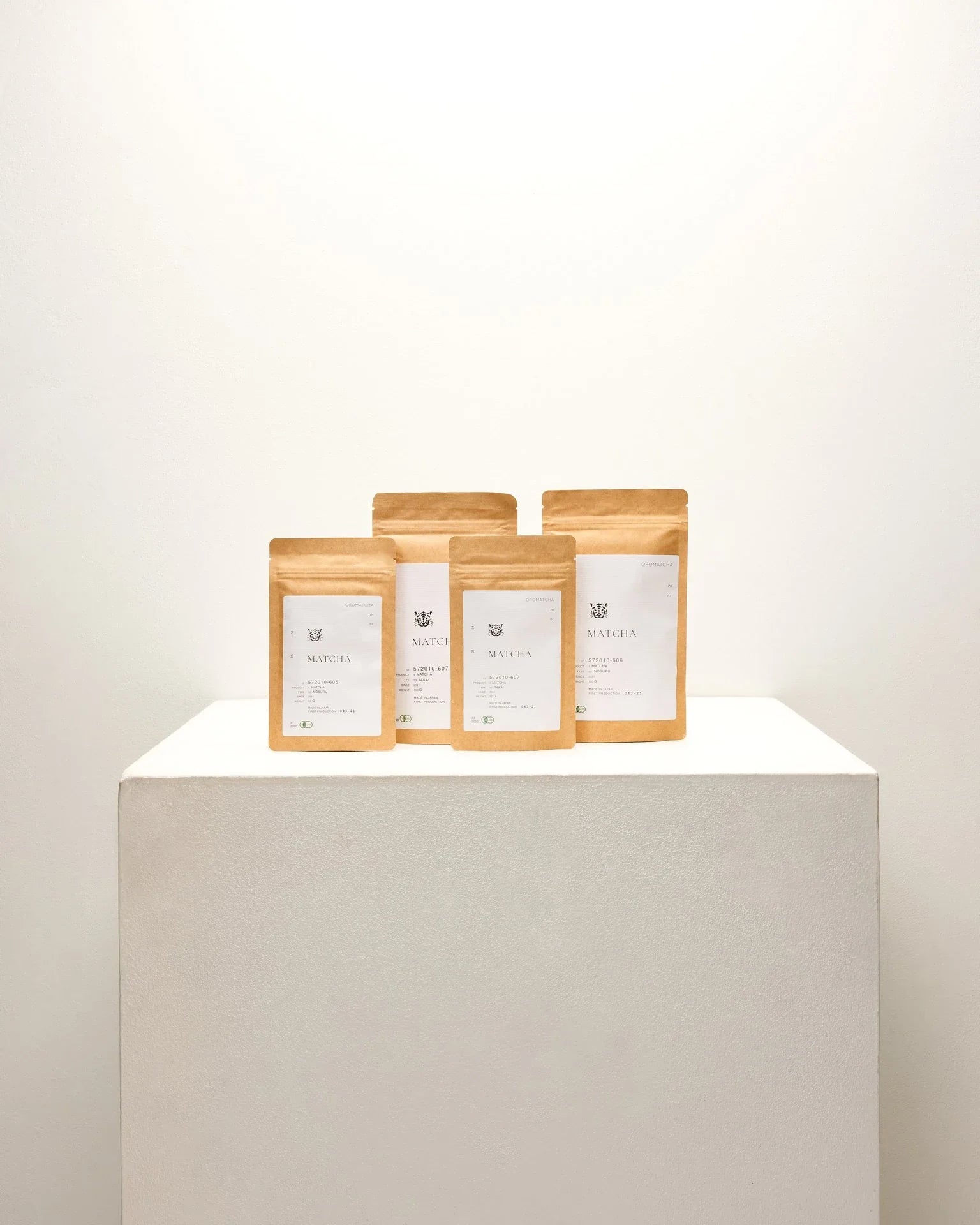
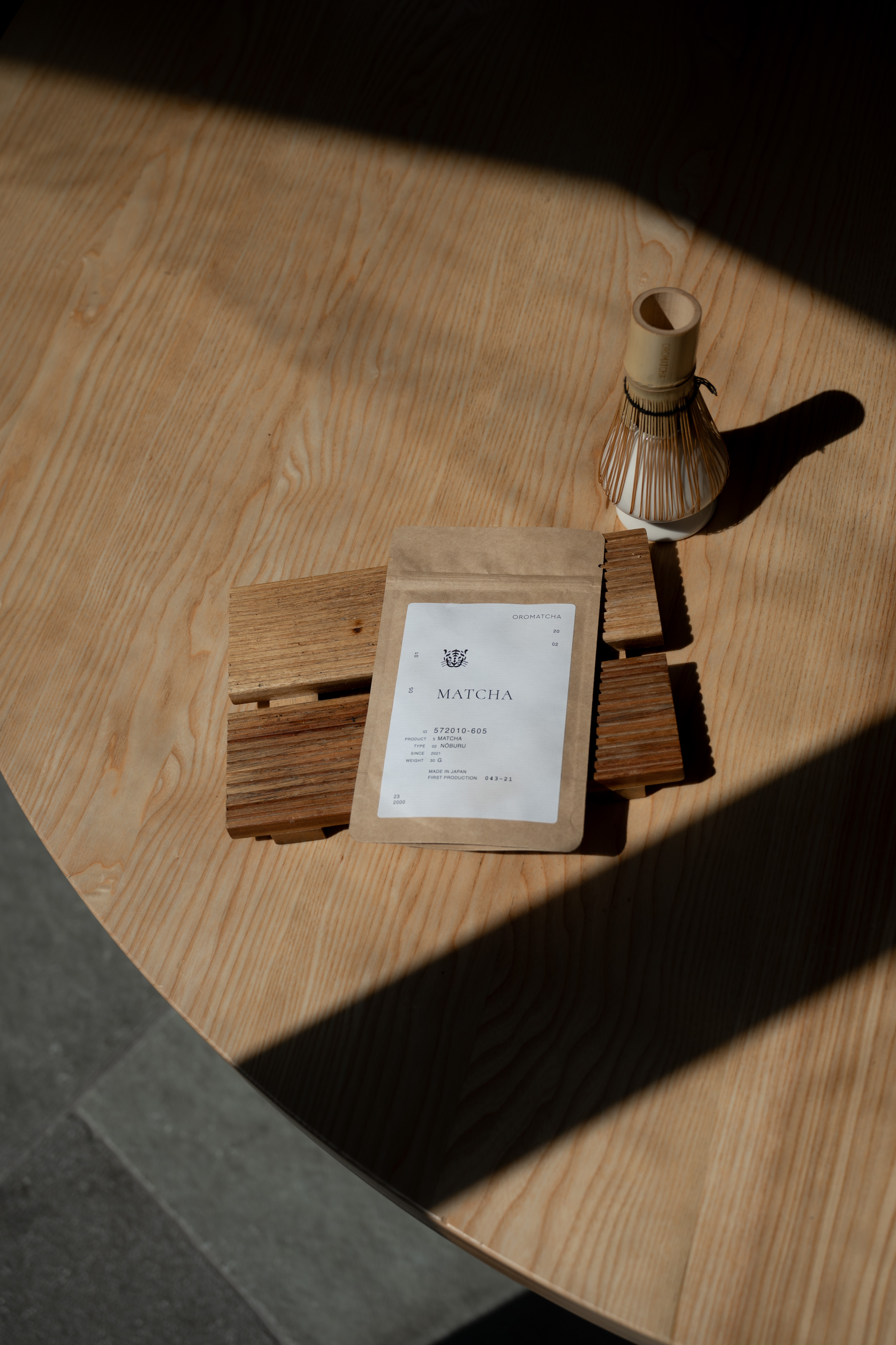
Matcha sets are also available for sale, making it easier to prepare and store. Because matcha's biggest enemies are oxygen, light, moisture, and high temperatures. Matcha oxidizes immediately when exposed to air. It loses its vibrant color, turns gray, and loses its health-promoting properties. Good matcha is packaged in Japan, in small, airtight cans or special three-layer aluminum sachets, often under a nitrogen atmosphere that displaces oxygen. At home, it's worth reviewing matcha accessories and getting a special can that protects the powder's taste, color, and aroma.
Matcha price – summary
The creation of matcha is truly craftsmanship in its purest form. One that resists mass, cheap production. This is why the price of matcha is higher than, for example, classic green tea. Each bowl of this beverage provides the body with a wealth of antioxidants, amino acids, and balanced energy. When you drink matcha, you are not just drinking a regular infusion. You are drinking the entire, precisely selected leaf. It is therefore worth choosing an authentic, proven, and noble product.
Read more
The world of matcha can seem complicated for someone who is just starting to explore it. One of the key market divisions that you might encounter right from the beginning is the country of origin o...
This is where matcha shows its everyday gentleness. You can drink it traditionally with water. You can combine it with milk or a plant-based drink. You can prepare it cold with ice. The same powder...