

Matcha vs. coffee - what's the difference, and can matcha replace coffee?
The morning should have its ritual. For some, it's the scent of freshly ground beans and the first espresso. For others, it's a quiet moment with a bowl of green powder that slowly combines with water to create matcha. Matcha and coffee – two worlds often compared. Is matcha instead of coffee a good idea?
In this article, you will read:
- Matcha and caffeine – can matcha replace coffee?
- How much caffeine does matcha have? How does it affect the body?
- Properties of matcha compared to coffee
- Matcha and coffee – difference in tastes and standards
- Matcha instead of coffee as a daily ritual
- Summary
Matcha and caffeine – can matcha replace coffee?
Coffee and matcha contain caffeine. It is responsible for stimulation, alertness, and readiness to act. The difference, however, lies in how the body experiences it. Coffee acts quickly. After just a dozen minutes, a clear impulse appears: increased concentration, accelerated heart rate, and often a short-term burst of energy. For many, this is a signal to start the day.
Matcha works differently. The L-theanine present in it slows down caffeine absorption, so energy is released gradually. The effect is milder, more stable. Without a sudden "peak" and without a sudden drop. This is a subtle but noticeable difference. This is why people sensitive to caffeine often find matcha a calmer alternative.
How much caffeine does matcha have? How does it affect the body?
The caffeine content in matcha is about 60-70 mg per 1 g of powder (1 teaspoon). A cup of coffee has more caffeine – about 80-120 g. Does matcha stimulate? Yes, there's no doubt about it. However, it is a different kind of stimulation, as we wrote above – milder and more stable. This makes daily matcha a natural choice for many people instead of coffee, especially for work requiring focus.
In addition, coffee can speed up metabolism and temporarily increase physical performance. However, for some people, it causes irritability, tension, or stomach problems – especially when drunk on an empty stomach. Matcha works more harmoniously on the nervous system. It supports concentration while helping to maintain internal balance. The antioxidants it contains protect cells from oxidative stress, and chlorophyll gives it its characteristic, deep color. It is also safer for the stomach. The best effects are felt with regular consumption.
Properties of matcha compared to coffee
Coffee is made from roasted beans, from which an infusion is prepared. Matcha, however, is not a classic infusion – it is finely ground green tea, consumed whole. This means that we consume not only the extract, but the entire leaf. Along with it, antioxidants, chlorophyll, amino acids, and natural plant compounds.
Differences in composition translate into a different action profile. Coffee focuses primarily on stimulation. Matcha combines energy with an element of balance – it promotes calmness. It also offers other benefits – regularly consumed, it can, for example, strengthen immunity and accelerate body regeneration during deep sleep.
Matcha and coffee – difference in tastes and standards
Espresso is distinct, often bitter, sometimes acidic. Its character is built by roasting the beans – the darker they are, the more intense notes of caramel, chocolate, or smoke. Matcha offers a different dimension. Its taste is herbaceous, fresh, with a delicate sweetness. When properly prepared, it should not be bitter. Its texture is smooth, almost creamy. It's not a matter of better-worse. It's a matter of mood and expectations.
For many people, matcha is not a "substitute," but a good alternative. Sometimes it accompanies the morning, sometimes it replaces afternoon coffee to avoid an evening energy slump. In its classic version, prepared in a bowl with water, it remains minimalist and clean in taste. In its version with plant-based milk, it creates a mild composition that naturally fits into everyday life.
The best taste and properties come from Japanese matcha, not Chinese. It's worth reaching for premium products that maintain high quality. This happens when selected leaves, grown in fertile soil full of minerals, are used. You can find valuable matcha, for example, under the term ceremonial grade matcha. This term refers to the highest quality powdered green tea. It comes from the first flush leaves, tastes good with just water (without bitterness), and has a velvety texture. The term also refers to the Japanese tea ceremony tradition.
Matcha instead of coffee as a daily ritual
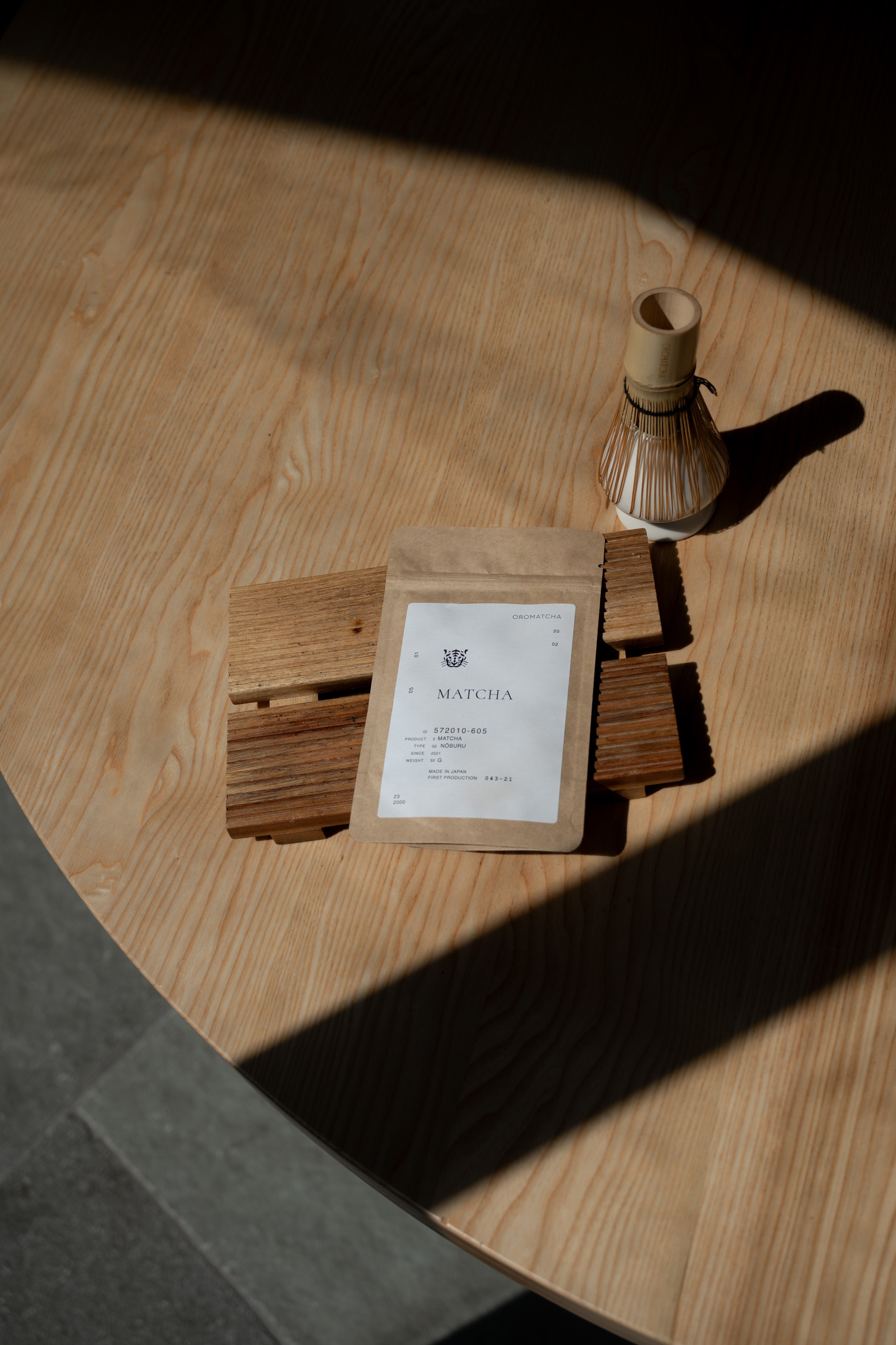
Preparing matcha requires a moment: sifting the powder, water at the right temperature, and the movement of a bamboo whisk. This process itself is calming. Unlike a quick espresso, which we often drink on the go, matcha encourages us to pause. It's not just a drink, but also a moment of mindfulness. That's why people who wonder if matcha is stimulating enough often discover that it offers something more than just an energetic effect – it gives a sense of harmony.
At first, it might be a challenge – preparing matcha correctly on your own. How to perform all the steps to bring out the depth of flavor? We suggest:
- adding two teaspoons of matcha to a bowl with about 100 ml of water at 80 degrees Celsius,
- mixing with a bamboo whisk (chasen) in a quick motion to create a suspension.
Depending on preference, you can add more water or milk/plant-based drink to the suspension.
Summary
Matcha tea instead of coffee? Yes, if we are looking for energy spread over time, mental clarity without excessive tension. No, if we value the intense taste of espresso and a quick stimulating effect. Preparing espresso is dynamic. Matcha tea involves a few more steps, calmness, and celebrating the moment. Compare how much caffeine matcha has versus coffee, try different versions of matcha, and choose the most beneficial drink for yourself that will give you both energy and pleasure.
Read more
There's something soothing about a matcha latte. It's soft, creamy, and delicate in taste. The combination of deep green matcha with milk or plant-based drink creates a good, peaceful morning. Matc...

Discover the secrets of shading matcha in Japan – from tradition in Kyoto to modernity in Nishio. Learn how light affects the taste, color, and quality of matcha.