

Matcha - health benefits. What does it help with and how does it affect the body?
In the world of green teas, matcha holds a special place. When drinking matcha, we consume everything: its color, aroma, and active ingredients. What is matcha good for? What makes it valued in Japan not only for its taste but also for its positive impact on well-being?
In this article, you will read:
- Matcha – what is it good for? Youth and other benefits
- What are the benefits of regularly drinking matcha?
- Matcha quality matters
- Matcha as a traditional ritual, not a fleeting trend
- Matcha – what for – summary
Matcha – what is it good for? Youth and other benefits
Is matcha healthy? Yes. Matcha owes its properties to its content of antioxidants, especially catechins, including EGCG. These compounds support the body in fighting oxidative stress – one of the factors accelerating aging processes. When you drink matcha, you slow down these processes. Catechins also support natural metabolic activities and maintaining a healthy body weight – of course, with a balanced diet and a calm lifestyle.
Unlike classic green tea, in matcha, we use whole leaves, ground into a delicate powder. This means a higher concentration of bioactive compounds: chlorophyll, B vitamins, vitamin C, potassium, and fiber. The leaves also contain L-theanine, an amino acid that regulates the nervous system. L-theanine promotes the production of alpha waves in the brain and modulates the stimulating effect so that it is not as sudden as with caffeine. Additionally, it reduces stress and calms without causing drowsiness.
What are the benefits of regularly drinking matcha?
So, what does matcha help with? Primarily, it helps with daily fatigue, drops in concentration, and the need for gentle but stable stimulation. Matcha also reveals its properties with regular consumption – it can boost immunity, improve skin condition, and cleanse the body of toxins. Its action is cumulative – more like long-term care than an immediate effect.
The energy from drinking matcha is released gradually, preventing a sudden energy crash. This makes matcha particularly recommended for people who, for various reasons, do not tolerate coffee well, suffer from neurosis, or have digestive system problems. In the long run, matcha contributes to increased productivity, improved sleep quality, and overall mental well-being.
To summarize this section, with a healthy lifestyle, matcha tea:
- detoxifies the body,
- helps to maintain youth longer,
- calms and focuses at the same time,
- provides a stable energy level,
- boosts immunity,
- maintains good well-being,
- ensures deep sleep and thus better regeneration.
Matcha quality matters
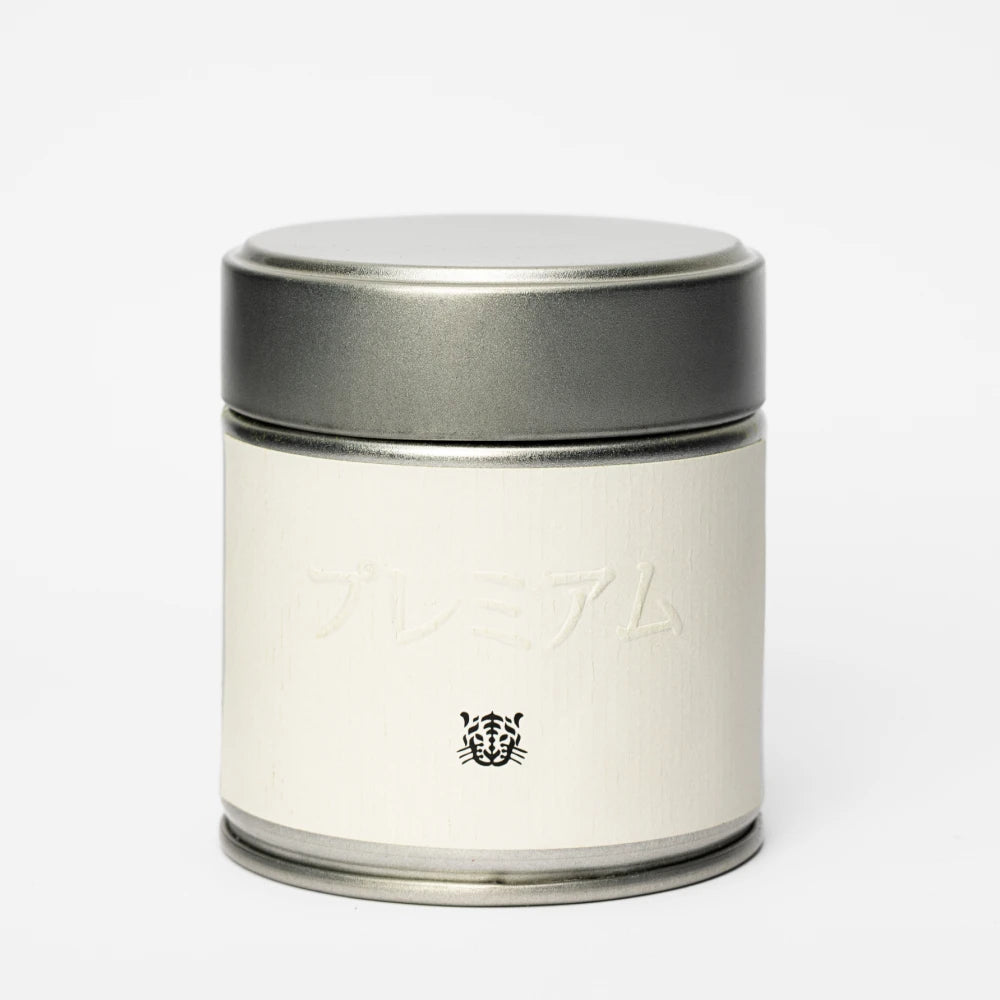
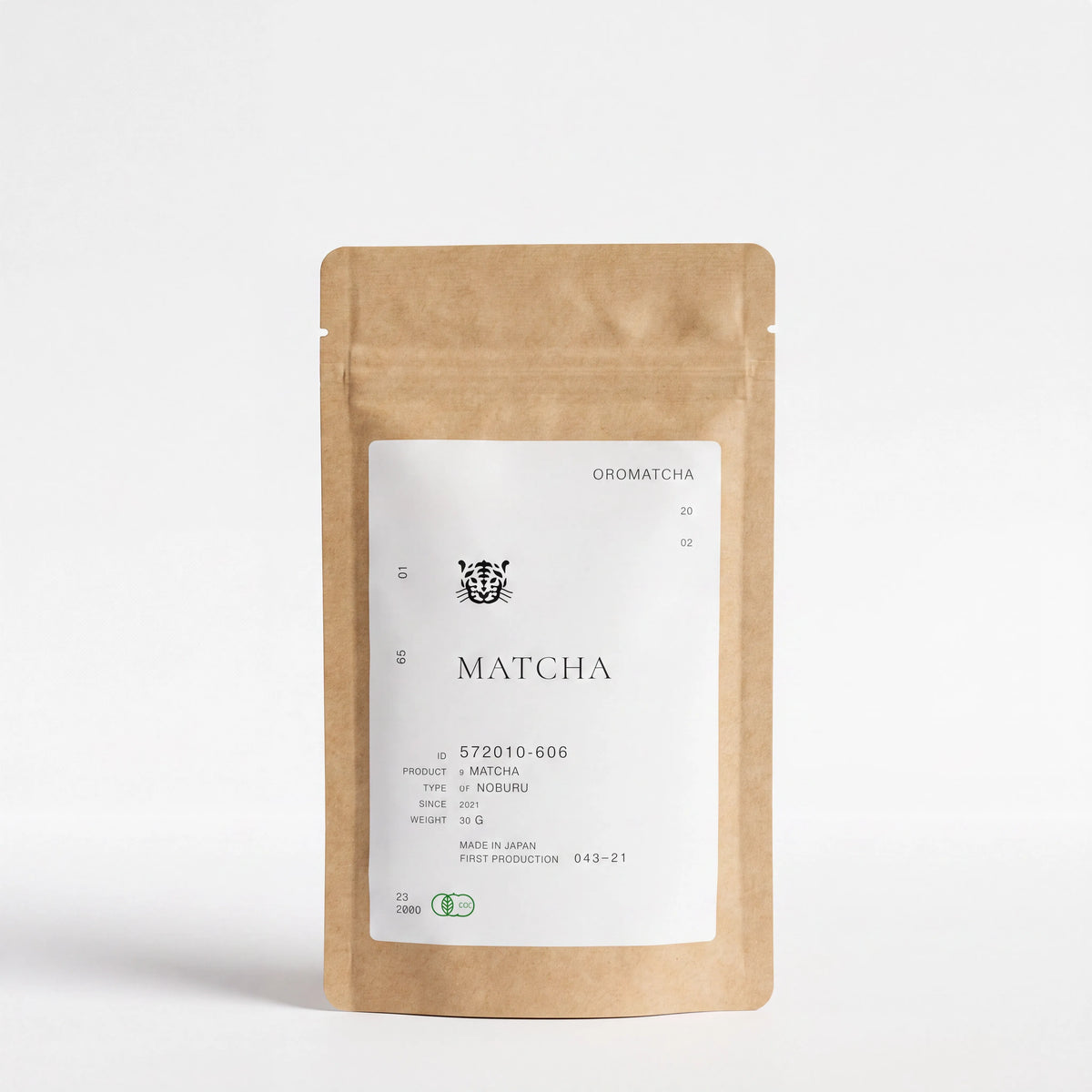
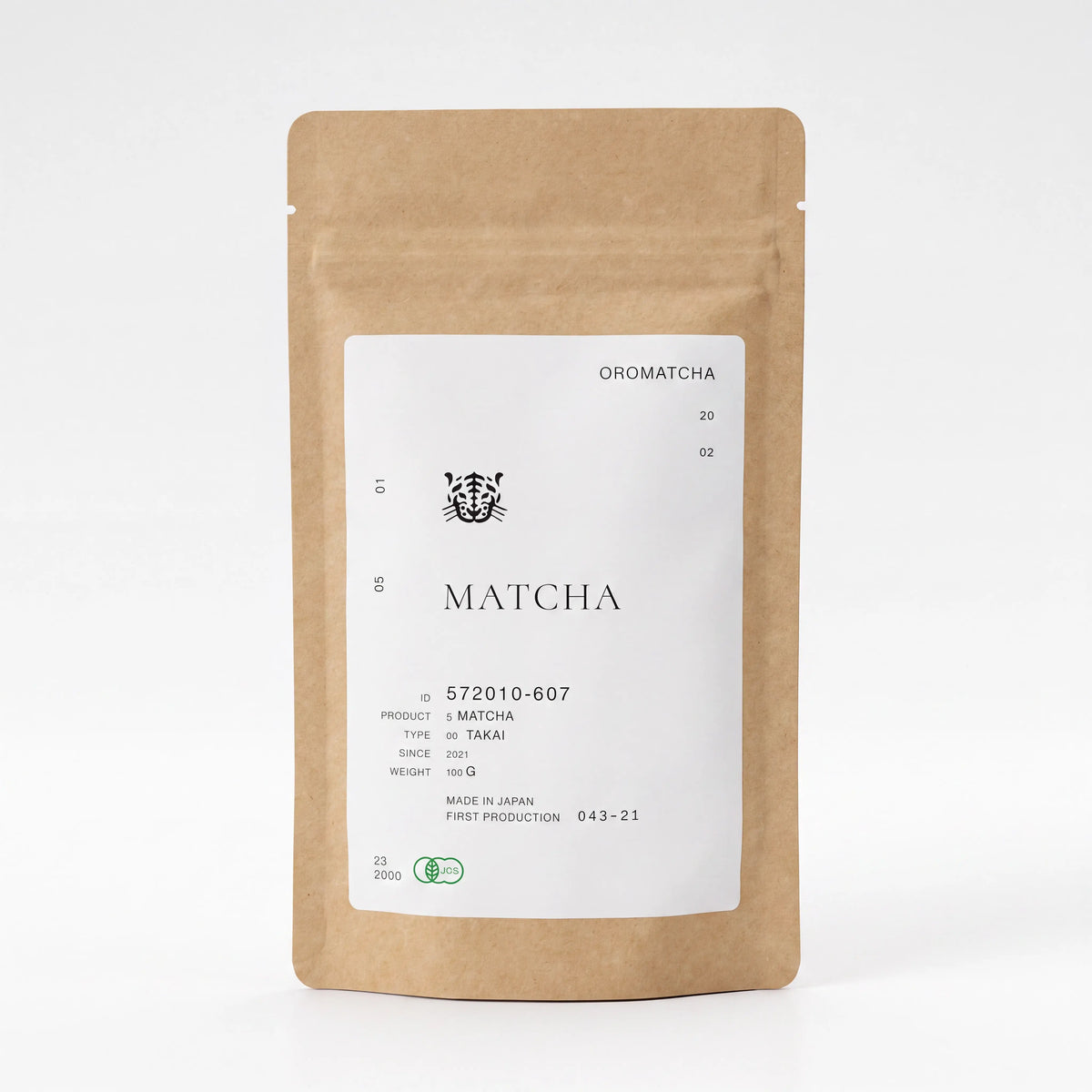
Matcha can be part of a daily ritual, replacing sweetened drinks or another cup of coffee. Without added sugar, or even without added milk (just with water), it fits into a lifestyle based on conscious choices. Of course, everything depends on its quality. Not all matcha is the same. The cultivation method, shading of the bushes, hand-picking of the youngest leaves, and finally slow grinding – in our case, on a traditional Mikage stone – determine the final flavor profile and value.
What are Mikage stones? They are precisely crafted millstones made of hard granite. Ceremonial grade matcha produced on them is characterized by a velvety texture, natural sweetness, no bitterness, and a deep green color. Such prepared matcha easily blends with water, creating a smooth infusion. It does not need additives to delight with its taste.
You can read more about how to prepare matcha in the section how to make matcha.
Matcha as a traditional ritual, not a fleeting trend
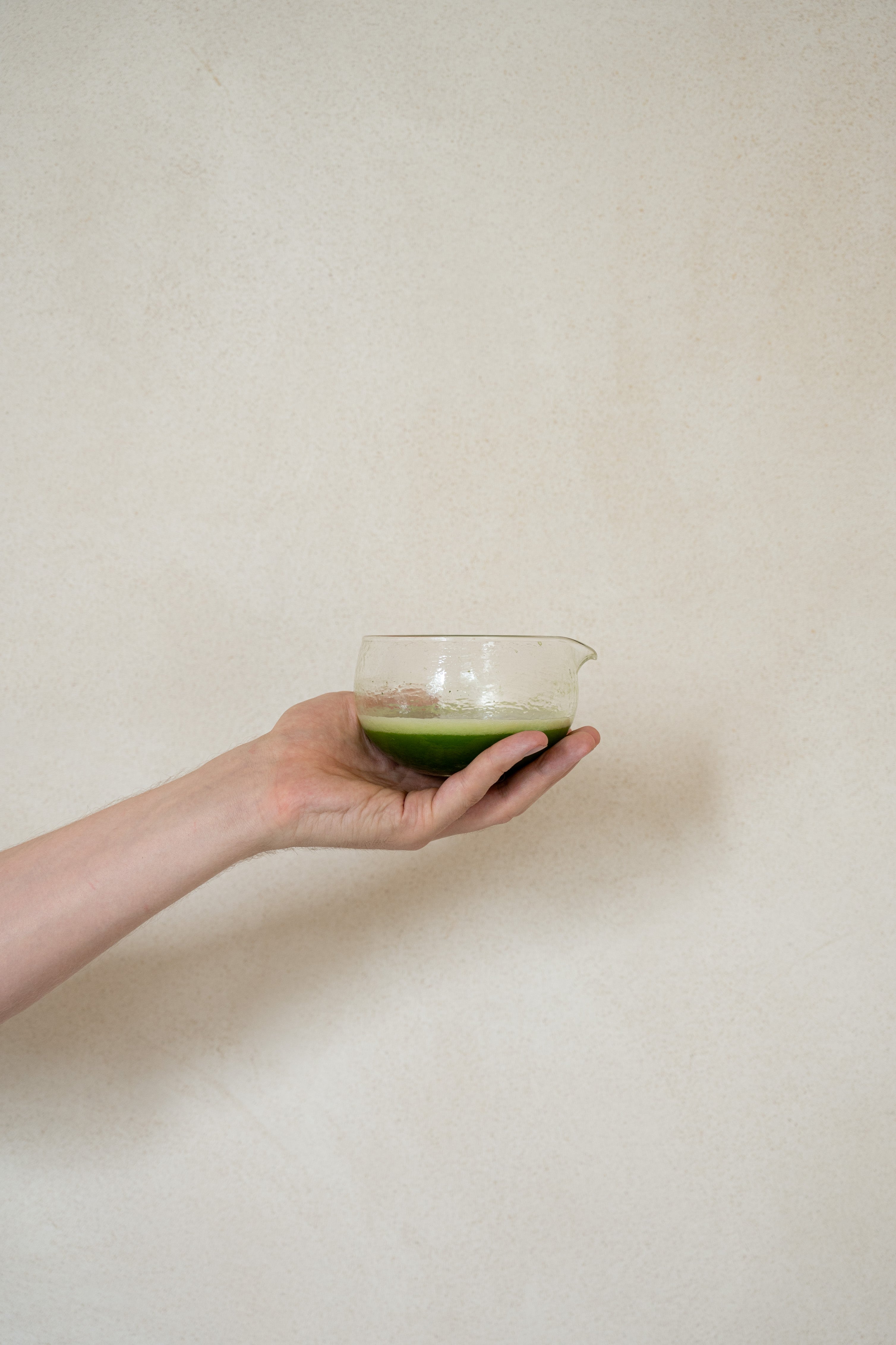
When you know what matcha is good for, it's easier to incorporate it into your diet permanently. In a world that is accelerating, matcha offers a different rhythm. Energy without haste, focus without tension, and support without excess. Drinking matcha can become a daily moment of pause, a short break just for yourself. It's a moment where simplicity matters – warm water and a calm breath. Everyday matcha teaches mindfulness and consistency in caring for one's well-being. It does not require complicated preparations, yet it brings a touch of ceremony to the day.
Authentic Japanese matcha is reaching for a tradition that has combined taste with harmony for centuries. Regularity makes this ritual a part of a lifestyle. Subtle, elegant, and close to nature. Matcha is not a fleeting social media trend, but a part of a tea-drinking culture with deep roots. To this day, many Japanese schools and cultural centers offer classes on proper matcha preparation, including how to whisk the powder with a bamboo whisk (chasen) and the appropriate water temperature. The most valued growing regions, such as Uji in Kyoto Prefecture, have specialized for generations in producing teas specifically for matcha.
Matcha – what for – summary
Is matcha healthy? If we understand health as a balance of body and mind, the answer seems natural – yes. Matcha does not promise miracles. It works consistently, subtly, in the background of everyday life. Its intense green reminds us that sometimes the simplest forms hold the greatest depth. What matcha affects includes focus, increased immunity, cleansing, and better body regeneration during sleep. To best experience the properties and benefits of matcha, choose a premium product.
Read more
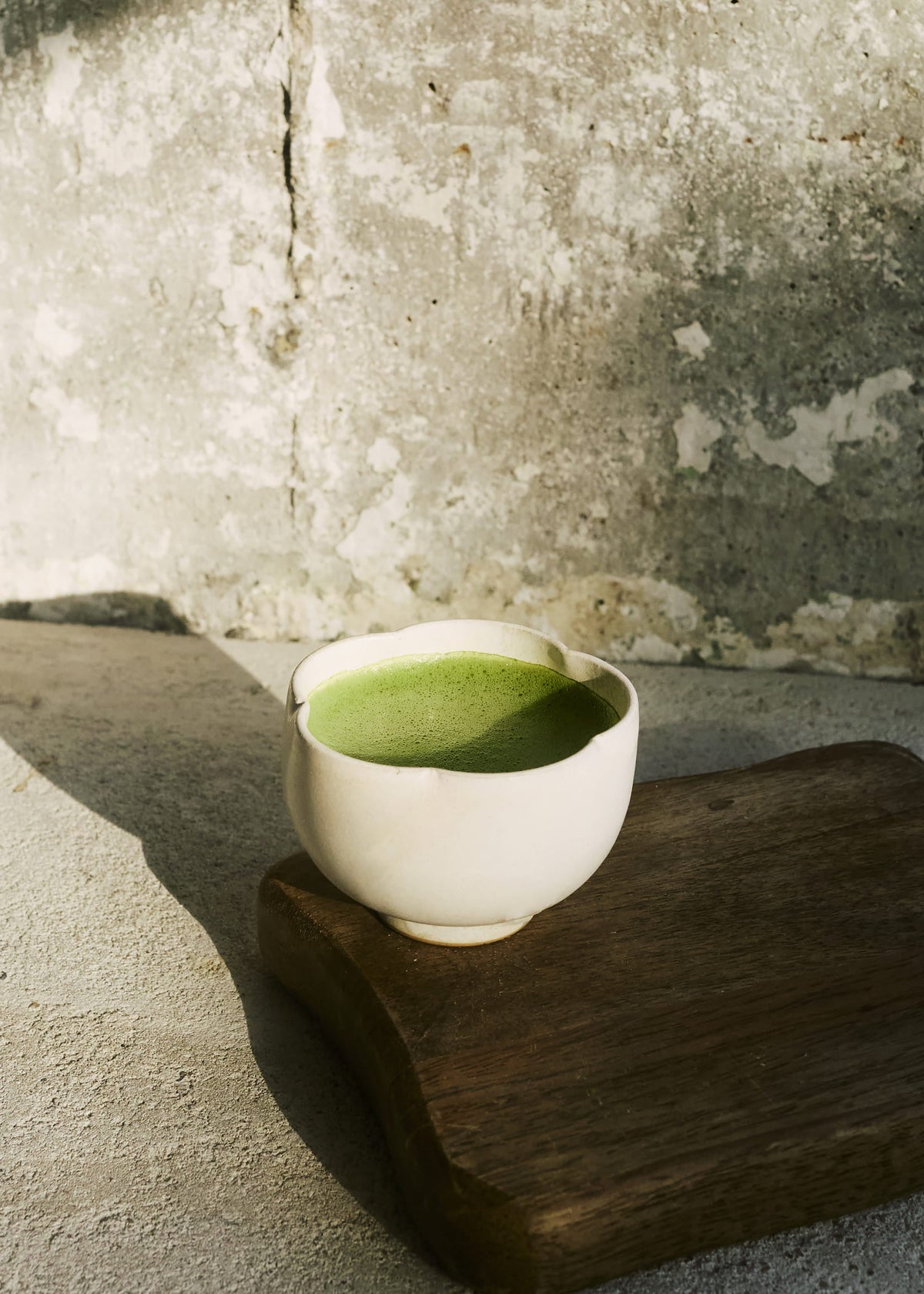
There's something soothing about a matcha latte. It's soft, creamy, and delicate in taste. The combination of deep green matcha with milk or plant-based drink creates a good, peaceful morning. Matc...

Discover the secrets of shading matcha in Japan – from tradition in Kyoto to modernity in Nishio. Learn how light affects the taste, color, and quality of matcha.